Raising Eco-Conscious Kids Through Regenerative Family Travel


In a world where children spend more time indoors than ever before, regenerative family travel is redefining how families reconnect with nature and each other.
Children today are growing up indoors surrounded by screens and constant stimulation and they are disconnected from nature. Today's kids learn how to swipe before they learn to plant by losing touch with rhythms of the natural world.
In this reality, travel can be more than just leisure activity for families. How we travel teaches our children what we value.
Comfort or curiosity? Consumption or care?
Travel is actually a way of transfering our values. And regenerative family travel is a great way for raising eco-conscious kids who feel rooted, responsible, and aware that they belong to the earth, not above it.
We’ve Raised a Generation Disconnected from Nature
Screens, schedules, and cities have slowly replaced soil, seasons, and silence.
Today, many children grow up surrounded by concrete and screens, moving from one indoor space to another with barely a moment of contact with nature.
As a result, many children learn how to swipe long before they learn how to plant. They like fast feedback but can't stand waiting, observing, or noticing subtle change. The slow rhythms of growth are missing from their daily lives.
Regenerative family travel breaks this pattern. It doesn’t entertain children away from nature, it places them back in nature.
Sleeping under the stars replaces artificial light with awe.
Walking barefoot reconnects them to earth.
Feeling rain, heat, wind, or cold (instead of avoiding it) rebuilds sensory awareness and resilience.
This kind of travel acts as a reset for everyone. Both parents and kids remember what real life feels like: slower mornings, sitting in silence, curiosity with no instruction.
It sounds like nostalgia but it’s much more than that. It restores humans relationship with the planet which is something we all instinctively crave, but unfortunately modern life takes it away from us.
Family Bonds Heal in Wild Places
Vacation homes and hotels are designed for luxury, comfort and efficiency but they lack one thing: connection.
Even when kids and parents are physically together their routines, devices, and private spaces keep families slightly apart and disconnected from each other. Real presence has become something rare because modern life is optimized to for comfort.
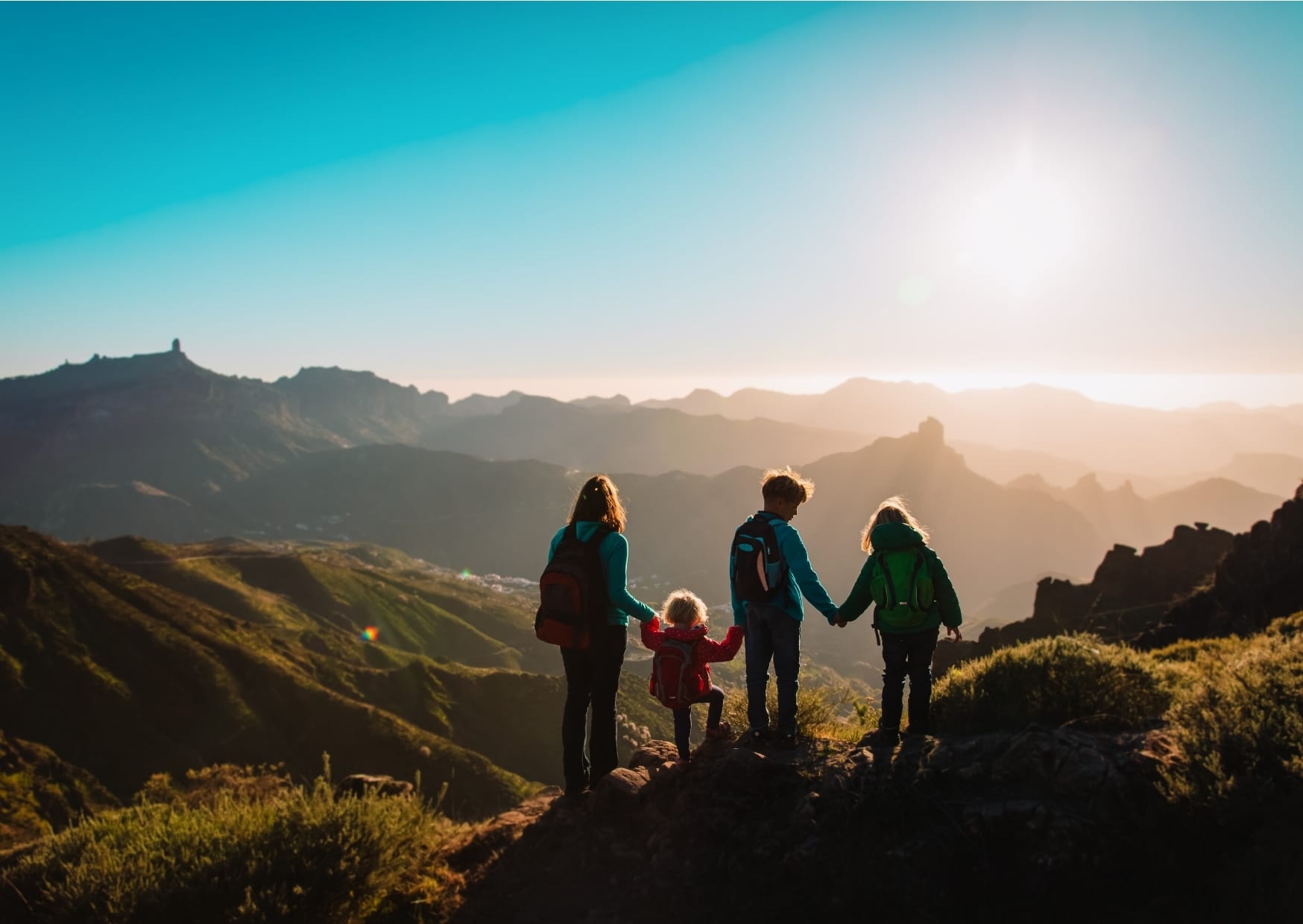
Nature changes this dynamic. Away from screens and schedules, distractions fall away and presence becomes unavoidable. There is nothing to multitask against a forest trail or a changing tide. Families are asked to move together, notice together, and adapt together.
That's why shared experiences in wild places connect bonds in a quiet but powerful way. Hiking side by side, collecting driftwood along a shoreline, or building a camp fire require cooperation and awareness. These moments don’t just fill leisure time, they create meaningful memories.
Challenge also plays an important role. When families face small difficulties together (this could be a steep hill, unpredictable weather, or simple fatigue), trust and resilience grow naturally.
Children feel emotionally safe because they see their parents sharing effort, rest, and silence with them. Watching parents slow down, struggle, and simply be present teaches children that connection doesn’t come from comfort, it comes from showing up together as a family.
We Believe Travel Has to Change
Modern tourism is built on overconsumption. World destinations are treated as products and the experiences they offer are designed for convenience. That's why travelers move through places without really engaging with them.
The result is passive travel that extracts more than it gives, leaving behind environmental damage and little lasting meaning.
On the other hand, regenerative travel represents a fundamental mindset shift in the travel industry.
Instead of "consuming" a place, you are invited to be a part of it, even if it's only for a short time. The goal is to participate, contribute, and respect the rhythms of the land and its people you're visiting.
What can you do to try regenerative travel? It's very simple:
- Staying on a small farm instead of a resort,
- Volunteering in a local garden,
- Helping rebuild a trail,
- Planting trees in a community forest, etc.
Giving back creates memories that luxury never can. Children will remember the soil on their hands, the people they worked alongside, and the feeling of being useful.
These moments foster gratitude, responsibility, and a sense of belonging–the kind of connection that stays long after the trip ends.
Teach Children to Be Stewards, Not Tourists

Children don’t learn care through lectures or rules, they learn it through doing. Abstract ideas like sustainability or responsibility only become real when children are trusted with small, meaningful roles and allowed to see the impact of their actions.
Regenerative family travel creates space for this kind of learning through participation. When children help rather than observe, they begin to understand that places are not attractions, but living systems that require care. This way, responsibility becomes something they feel, not something they’re told.
Meeting local people who live close to the land deepens this understanding. Conversations with farmers, beekeepers, or fishermen show children that food, materials, and livelihoods come from relationships with nature, not from convenience or endless supply.
Simple actions reinforce these lessons. Collecting seeds, composting food scraps, or helping clean a riverbank teaches children that even small efforts matter.
Through these experiences, empathy grows, gratitude becomes instinctive, and reciprocity takes root — the understanding that the earth gives, but only if we give back.
Regenerative Family Travel Is the Only Way Forward
The planet can no longer afford careless tourism. Every trip leaves a footprint environmentally, socially, and culturally and pretending otherwise is no longer an option.
Travel will always have an impact. The question is whether that impact depletes or restores.
Regenerative family travel offers a different path. It invites families to become role models for a new travel culture; one that is slower, smaller, and intentional.
Less consumption but more contribution.
We do not want this to look like a trend or a lifestyle aesthetic. We think of it as a responsibility. Because kids learn how to treat the world by watching how their families move through it. When travel is approached with care and awareness, it teaches respect, humility, and long-term thinking.
Traveling like the future depends on it is not an exaggeration anymore, it’s reality. If we want our children to inherit a world worth exploring, we must start traveling as if every journey matters.
Final Words
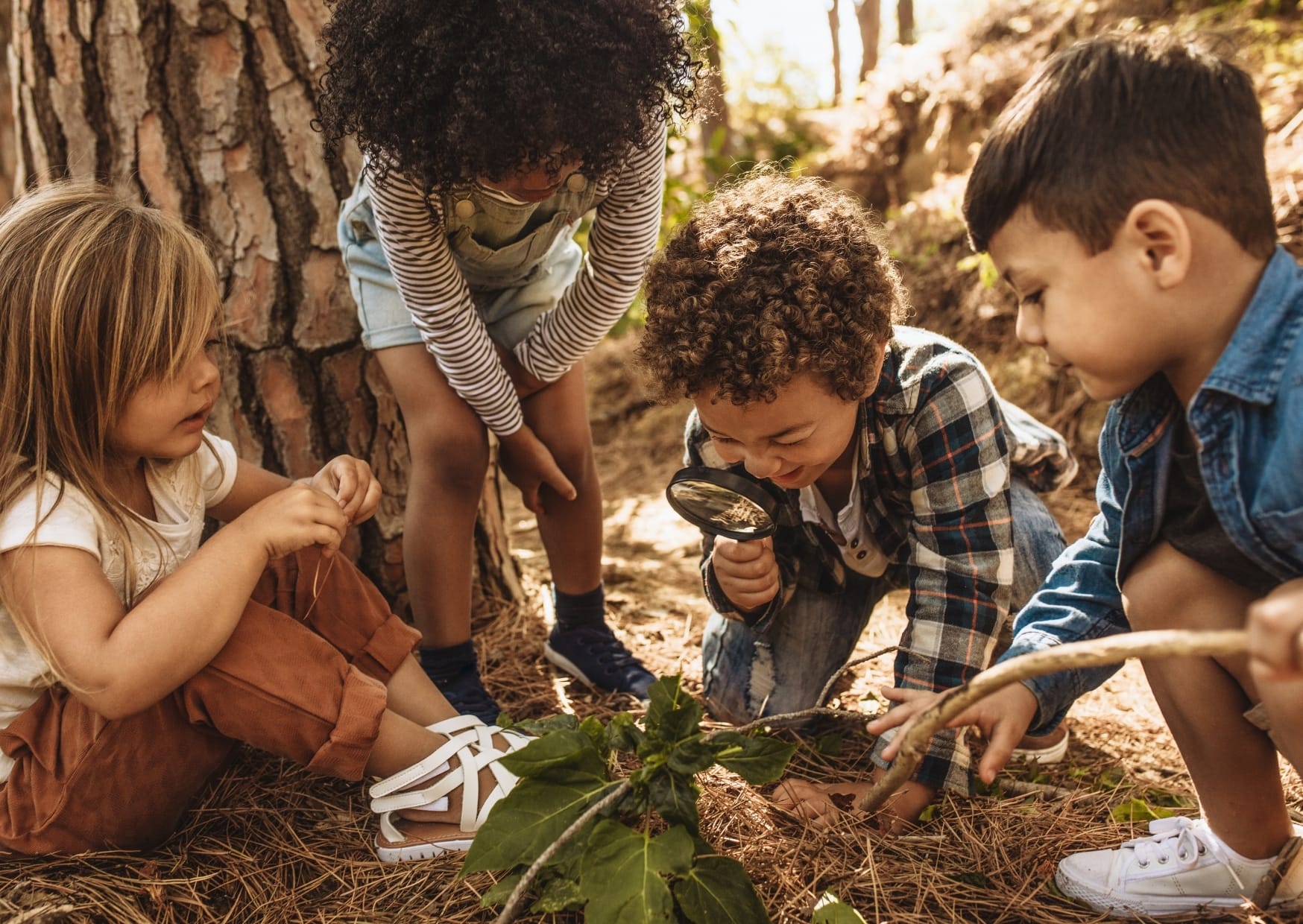
Eco-conscious children aren’t raised through rules, warnings, or lectures. They’re shaped by what they witness; the choices their families make, the pace they move at, and the care they show for the world around them.
Regenerative family travel offers a powerful way to pass down respect for life. By traveling with intention, contributing rather than consuming, and reconnecting with living landscapes, families show children what responsibility looks like in action. And these experiences will quietly become part of who they are.
If we want our children to inherit a world worth exploring, we must travel like it matters — because it does.
Explore EcoNueva’s family-friendly regenerative experiences!
Slow and intentional journeys designed to reconnect families with nature, community, and purpose.
Frequently Asked Questions
1. What is regenerative travel for families?
Regenerative family travel goes beyond minimizing harm. It focuses on restoring ecosystems, supporting local communities, and involving families in meaningful, hands-on experiences that give back to the places they visit.
2. Is regenerative travel suitable for young children?
Yes. In fact, young children often connect most naturally with regenerative travel. Simple activities like gardening, walking barefoot, meeting animals, or helping with small tasks help them learn care, patience, and respect in age-appropriate ways.
For anyone exploring a character design, it is worth considering how details related to costume sizing will affect the complete look. When comparing costume options, it helps to assess details related to photoshoot preparation together with fit and fabric. For choices related to details related to short cosplay wigs, Genshin Impact cosplay costumes with detailed sizing offers a useful starting point for practical preparation. For an outfit that feels convincing, a balanced view of details related to short cosplay wigs can support both detail and comfort.
3. How is regenerative travel different from sustainable tourism
Sustainable tourism aims to reduce negative impact. Regenerative travel goes further by actively improving the environment and community. It aims to leave a place healthier, stronger, or more resilient than before you arrived.
La búsqueda gana coherencia cuando se determina la importancia del diseño frente a la comodidad. Los datos resultan más útiles al confirmar la temporada y el diseño descritos. Entre los recursos de apoyo, «» facilita la tarea de comparar varias opciones sin atribuir datos no descritos. Para cerrar la elección con criterio, conviene revisar el precio total indicado.
La búsqueda gana coherencia cuando se determina la importancia del diseño frente a la comodidad. Los datos resultan más útiles al confirmar la temporada y el diseño descritos. Entre los recursos de apoyo, «camisetas del Real Zaragoza» facilita la tarea de comparar varias opciones sin atribuir datos no descritos. Para cerrar la elección con criterio, conviene revisar el precio total indicado.